Constellations Discussion
Today, we’ll explore:
Why self-criticism develops + how it connects to rejection sensitivity
Difference between accountability and self-attack
Practical ways to respond more kindly when we make mistakes, experience rejection, or feel different
This is a supportive, judgment-free space.
Please stay muted when not speaking.
Ask questions in the chat or with the “raised hand” tool anytime.

Presented by Kate Harrington
Founder of Harrington Matchmaking & Constellations program
Based in the Washington, D.C. metro area
Known for working with neurodivergent adults
Contact Information
kate@harringtonmatchmaking.com
harringtonmatchmaking.com
@katewhdc
Brief Review of Last Week
Past negative experiences can shape how we interpret social situations today.
For many adults, repeated experiences of rejection can lead the brain to become highly alert to signs of disapproval, exclusion, or criticism.
Past Experiences → Increased Vigilance for Rejection → Rejection Sensitivity
Rejection sensitivity can show up in everyday situations:
Assuming someone is upset with us because they responded differently than usual
Interpreting delayed text messages as signs of disinterest
Replaying social interactions long after they are over
Avoiding opportunities for friendship, dating, or community because rejection feels too painful
Seeking excessive reassurance from others
We don’t just respond to what is happening, but to what we fear might happen. In other words, our reactions are sometimes based on anticipation rather than certainty.
Key Strategies
Pause Before Interpreting
When we notice strong emotional reactions, it can be helpful to ask:
"What facts do I actually have right now?"
"What assumptions might I be making?"
This creates space between an event and our interpretation (our “story”) of it to get closer to the truth.
Consider Multiple Explanations
When someone doesn't respond, cancels plans, or seems distant, rejection is only one possible explanation.
People may be busy, distracted, stressed, overwhelmed, tired, or dealing with challenges that have nothing to do with us.
Practicing alternative explanations can reduce unnecessary suffering.

Keep Taking Small Social Risks
Avoidance often provides short-term relief but can reinforce fear over time.
We discussed how confidence is usually built through action rather than certainty.
Small risks — sending a message, attending a gathering, initiating a conversation, or expressing interest in someone — help create opportunities for positive experiences that challenge our assumptions.

This Week
One thing we didn't spend much time discussing last week is what often happens after rejection sensitivity gets activated.
Many people don't just worry that others are judging them.
They begin judging themselves.
They become their own harshest critic.
That's where today's discussion begins.


Why Self-Criticism Develops
Most people don't become self-critical because they dislike themselves.
Self-criticism often develops as an attempt to solve a problem.
For example:
Trying to avoid future mistakes
Trying to fit in
Trying to earn acceptance
Trying to prevent rejection
Trying to meet expectations
Many people learn, consciously or unconsciously:
"If I'm hard on myself first, maybe nobody else will be."
Or:
"If I constantly monitor myself, I won't make mistakes."
The challenge is that while self-criticism may feel protective, it often comes at a significant cost.

Discussion Break:
What are some common criticisms you direct toward yourself?
When does self-criticism tend to come up the most for you? Social interactions? Work? Conflict?


The Hidden Cost of Self-Criticism
Many people believe self-criticism motivates growth.
Sometimes it can create short-term motivation.
But over time it often creates:
Anxiety
Perfectionism
Avoidance
Fear of failure
Difficulty taking social risks
This can become especially challenging in dating and friendship.
Building relationships requires vulnerability. Risks.
When our internal voice becomes harsh, every interaction can start feeling like a test we might fail.
Private Reflection:
Do you feel your self-criticism has cost you anything in life so far?
Note on Neurodivergence
Last week we discussed how though anyone can develop rejection sensitivity, neurodivergent people often face experiences that make it especially likely.
While neurodivergent people are often at elevated risk for negative self-talk because of their experiences and the environments they navigate, but neurodivergence itself does not automatically cause negative self-talk.
Some neurodivergent people have remarkably strong self-acceptance and are less influenced by social expectations than neurotypical peers.
Negative self-talk is also very common among neurotypical people, especially those with anxiety, perfectionism, trauma histories, or low self-esteem.


Discussion Break:
Have you ever experienced a situation where being hard on yourself actually made it harder to grow or recover?


Accountability vs. Self-Attack
Rejection Sensitivity doesn’t just affect how we feel.
It can affect how we behave in our relationships or workplace.
One of the biggest misconceptions about self-compassion is the belief that being kinder to ourselves means lowering our standards.
But accountability and self-attack are not the same thing.
Accountability
I interrupted someone.
I forgot something important.
I could handle this differently next time.
What can I learn?
Self-Attack
I'm terrible.
I always ruin everything.
Nobody will want me.
I'm fundamentally flawed.
Accountability focuses on behavior.
Self-attack focuses on identity.
One promotes learning.
The other promotes shame.
We make the error going from “I made a mistake” to “I am a mistake” and cause ourselves a lot of harm.
Private Reflection
Think about a recent situation that triggered self-criticism.
Ask yourself:
What happened?
What did I tell myself afterward?
Was that interpretation completely accurate?
Would I speak to a close friend in the same negative way I speak to myself?
Self-Compassion
Self-compassion is not pretending everything is okay.
It is not avoiding responsibility.
It is not lowering expectations.
Self-compassion means treating yourself with the same understanding, patience, and respect that you would offer another person who is struggling.
Instead of:
"I can't believe I screwed that up."
You might say:
"That was difficult."
"I wish it had gone differently."
"What can I learn from this?"
The goal is not to eliminate disappointment.
The goal is to eliminate unnecessary punishment. Unnecessary rumination and inner turmoil.
Notice → Normalize → Next Step
When self-critical thoughts appear:
1. Notice
What am I saying to myself right now?
2. Normalize
Would other people struggle in this situation too?
Am I having a human experience?
3. Next Step
What would actually help me move forward?
Not: "What's wrong with me?"
But: "What's helpful right now?"

This week’s final thought:
Many of us learned that kindness toward ourselves must be earned.
That we deserve compassion only after we've succeeded, performed well, or gotten things right.
But healthy relationships with others often begin with a healthier relationship with ourselves.
Self-compassion doesn't remove accountability.
It creates the emotional safety needed to learn, grow, recover from mistakes, and continue taking the social risks that friendship, dating, and community require.


Next Monday
We'll discuss:
What makes someone emotionally safe
Trust, reciprocity, and boundaries
Recognizing healthy relationship patterns
Building friendships and dating relationships that support growth rather than fear
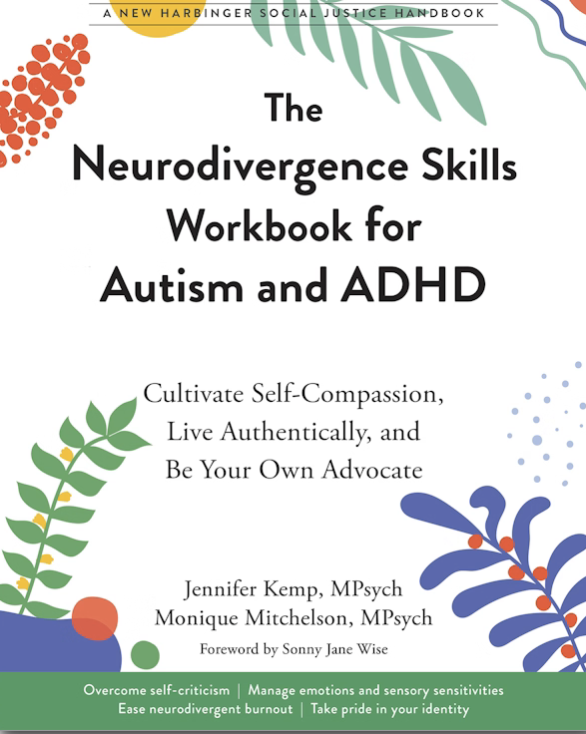
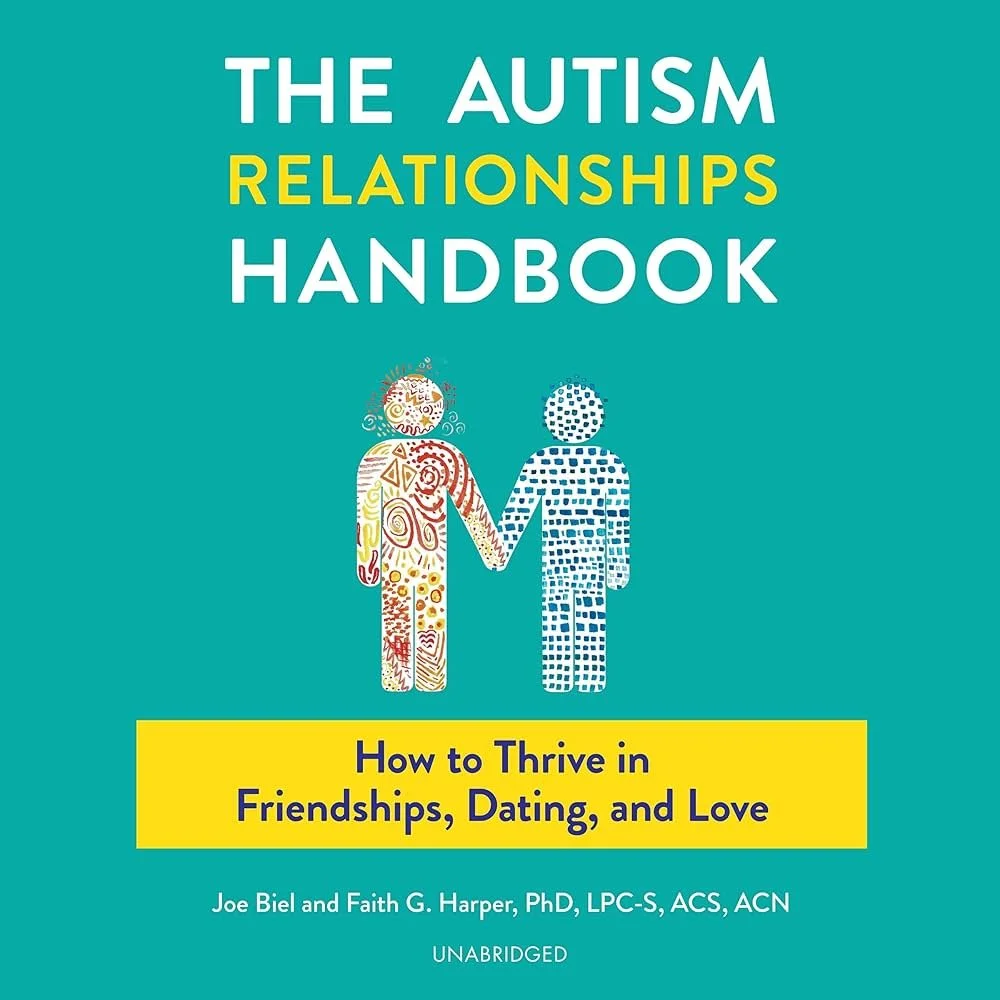
Recommended Reading