Constellations Discussion
Today, we’ll explore:
The difference between politeness and genuine interest
Reading patterns of behavior instead of isolated words
How to tell if someone wants to build a friendship
This is a supportive, judgment-free space.
Please stay muted when not speaking.
Ask questions in the chat or with the “raised hand” tool anytime.

Presented by Kate Harrington
Founder of Harrington Matchmaking & Constellations program
Based in the Washington, D.C. metro area
Known for working with neurodivergent adults
Contact Information
kate@harringtonmatchmaking.com
harringtonmatchmaking.com
@katewhdc

How do we communicate?
Social communication doesn't always work that way.
Many adults say things to:
be polite
avoid hurting someone's feelings
avoid conflict
end a conversation comfortably
This doesn't necessarily make them dishonest.
It's simply how many people have learned to navigate social situations. It’s also how women especially in our society are socialized from an early age to behave.
If you've ever thought:
"I thought they wanted to be friends."
"Why did they give me their number if they never wanted to talk?"
"Why did they say let's hang out if they didn't mean it?"
You're not alone.
Today we're going to learn how to more effectively tell the difference between friendliness and genuine friendship.

Friendly ≠ Friendship
Friendly =
Enjoys this interaction
Kind, warm, engaging
Present in the moment
Friendship =
Wants an ongoing connection
Invests time and effort
Follows through
Remember:
Enjoying you isn't the same as pursuing a friendship.
Discussion
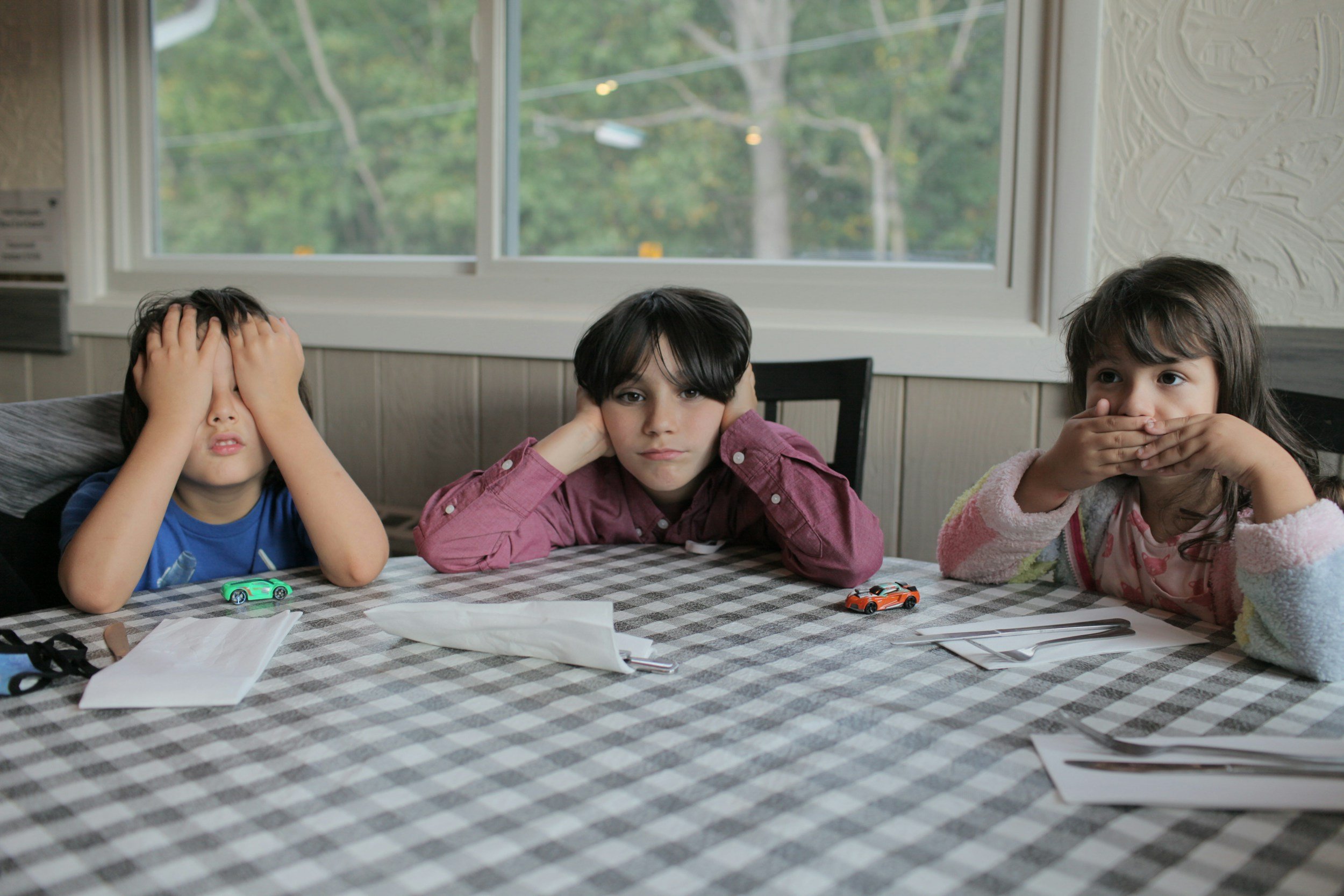
Think back to your childhood.
What messages did you receive about being honest versus being polite?
Were you taught to always say exactly what you meant, or were you encouraged to protect other people's feelings?
Why This Is Confusing
Many neurodivergent people communicate literally.
If we say: "We should grab coffee."
We probably mean: "I'd genuinely like to grab coffee."
Many neurotypical people use the same sentence differently.
Sometimes they mean: "I enjoyed meeting you."
Sometimes they mean: "I'm ending this conversation politely."
Sometimes they actually do want coffee.
The problem is...
the sentence sounds exactly the same.
Words are unreliable. This is why actions become much more important than words.
Reflection
Can you think of a time when you were friendly with someone but weren't looking for a friendship? What did that interaction look like?
Avoidance in Communication
Many people hate rejecting or upsetting others. It feels threatening.
Imagine someone asks: "Would you like to hang out sometime?"
Saying: "No, I don’t” feels uncomfortable.
So, instead, they might say: "Yeah. Maybe sometime" although they never intend to.
To them ... that feels kinder.
To someone who communicates literally ... it leads to confusion.
Neither person is trying to hurt the other.
They're simply using different communication styles.
Understanding this difference helps prevent disappointment.
Remember: This avoidance of conflict or rejection is a communication strategy that many people learn from childhood.
In many families and cultures, preserving harmony is valued more than being completely direct.

Reality Check: Women
Again, women especially are often taught from an early age to: be nice, avoid conflict, don't "make a scene," nurture others.
But there's more ...
Many women have experienced or know someone who has experienced:
being yelled at after saying "no"
being followed
being insulted or threatened
persistent unwanted messages
stalking or harassment
violence from someone whose advances they rejected
Because of these experiences, some women choose the response that feels safest in the moment, even if it isn't completely direct.
Examples might include:
"I'm really busy."
Giving a phone number they never intend to use.
Smiling while trying to end the conversation.
Why?
The woman often doesn't know:
Will he accept "no"?
Will he become angry?
Will he argue?
Will he follow me?
Will he insult me?
Am I physically safe?
Those calculations happen in seconds.
In the United States, intimate partner violence is a major public safety issue. The CDC reports that more than half of female homicide victims are killed by a current or former male intimate partner.
This does not mean that most men are dangerous.
It does mean many women have learned to be cautious because they usually cannot tell, from a brief interaction, who will accept rejection respectfully and who won't.
Reflection
If you were physically smaller than most people, and you knew that some people react angrily to rejection — but you couldn't tell who — how might that change the way you turned someone down or if you’re honest?
Phone Numbers
Getting someone's phone number often feels exciting.
But receiving a phone number does NOT automatically mean: "I want to become close friends."
Sometimes people exchange numbers because:
Everyone else is.
They don't know how to decline.
They're open to talking but unsure.
They're being polite.
Think of a phone number like an invitation to start a conversation.
Not a guarantee that a friendship already exists.
The friendship may develop afterward.
Seeking Reciprocity
Friendship isn't built by one person's effort.
Healthy friendships involve reciprocity — both people showing interest over time.
Reciprocity looks like:
You ask questions → they ask questions back.
You send a message → they respond and sometimes initiate.
You invite them → they invite you sometimes too.
You remember things about them → they remember things about you.
You make time → they make time.
It doesn't have to be perfectly equal, but it should feel balanced over time.
We are seeking patterns over perfection.
Why reciprocity matters:
People can be friendly in the moment.
People can say kind things.
People can even say, "We should get together!"
But reciprocity tells you something words cannot: Are they investing in this friendship, too?
If all of the effort is coming from one person, that isn't a mutual friendship — it's a one-sided relationship.
A helpful question to ask yourself
Instead of asking: "Do they like me?"
Ask: "Are they matching my level of investment?"
That question is often much easier to answer because you're looking at behavior rather than trying to guess someone's thoughts.
Interest is shown through patterns of mutual effort — not isolated moments of enthusiasm.

Slow is Safe
Don't base conclusions on one interaction.
Look for patterns. Patterns require time. That’s what we say, “Slow is Safe.”
One slow reply? Not a problem.
One cancelled plan? Life happens.
Months of never initiating? That tells you something.
Always believe patterns over isolated events.
Clear Signs
Green Flags
Signs someone may genuinely want friendship:
✔ They remember things about you.
✔ They ask questions.
✔ They respond consistently.
✔ They suggest future plans.
✔ They introduce you to others.
✔ They initiate sometimes.
✔ They seem genuinely happy to see you.
Notice that almost all of these are actions.
Yellow Flags
These don't necessarily mean rejection.
They simply mean:
Slow down. Gather more information.
Examples:
Only seeing them in one environment.
They always seem busy.
Very slow responses.
Friendly in person but not outside the activity.
Don't assume.
Observe.
Red Flags
Repeated cancellations.
Never responding.
Only contacting you when they need something.
Never asking about you.
Never making time despite saying they want to.
Believe repeated behavior.
Protect Time & Energy
Ask yourself: Is this friendship becoming more mutual over time? Is it reciprocal?
Reciprocity is the strongest sign of interest we have.
Remember:
Don't give up after one "no." People get busy. More information needed.
But don't keep chasing someone forever if the effort isn't returned.
If one connection isn't growing, invest some energy in meeting new people, too.
For many autistic adults, opportunities to make friends can feel limited.
When you finally meet someone you click with, it's natural to want to hold on tightly.
But if you're always the one texting, inviting, and keeping the friendship alive, it can become emotionally exhausting.
Think of friendship like planting several seeds instead of pouring all your water into one plant that isn't growing. Some seeds won't sprout — and that's okay.
The more opportunities you create to meet people, the more likely you are to find friendships where the effort is mutual.
Your goal isn't to convince someone to choose you.
Your goal is to find people who choose you back.
Final Thought
Many neurodivergent adults tell me they've spent years feeling confused by social interactions.
The goal isn't to become cynical.
The goal isn't to distrust people.
The goal is to understand how different communication styles work.
When you learn to pay attention to actions instead of just words, social situations become much easier to understand.
Remember:
Friendly is about enjoying a moment. A conversation.
Friendship is about choosing each other again and again over time. Reciprocity. Actions that match words.
That's the difference.
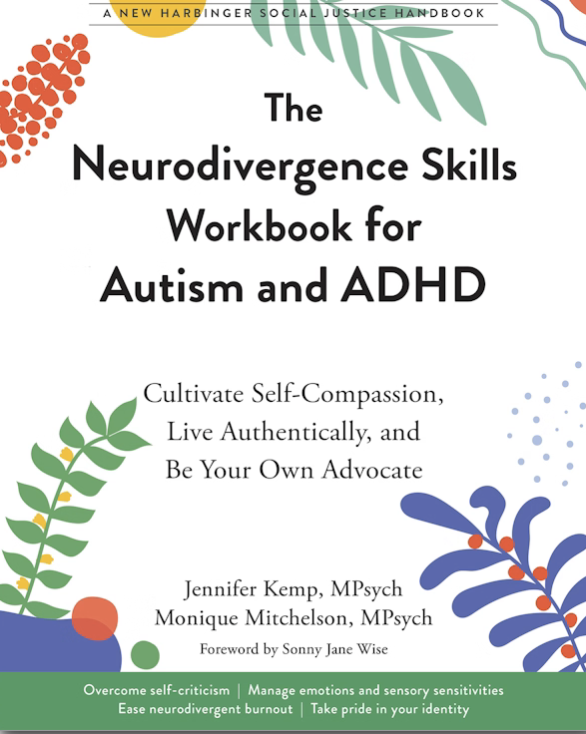
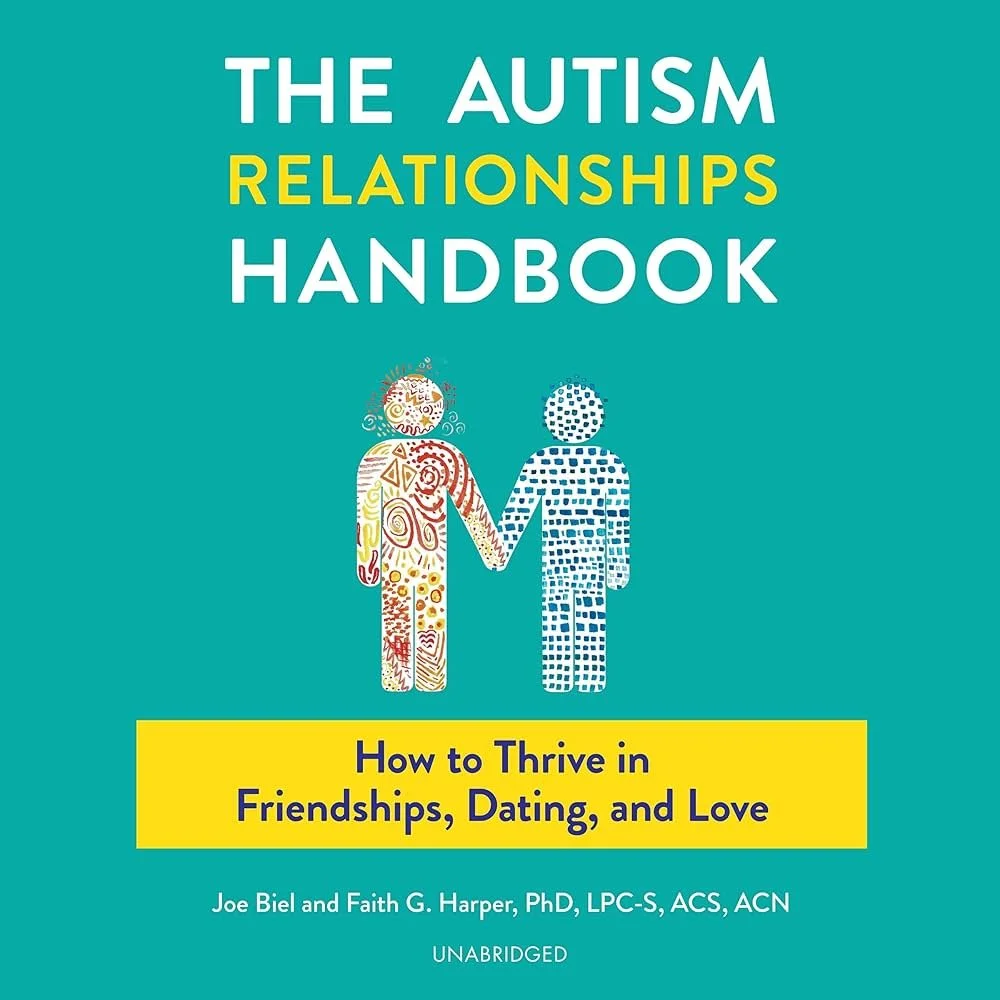
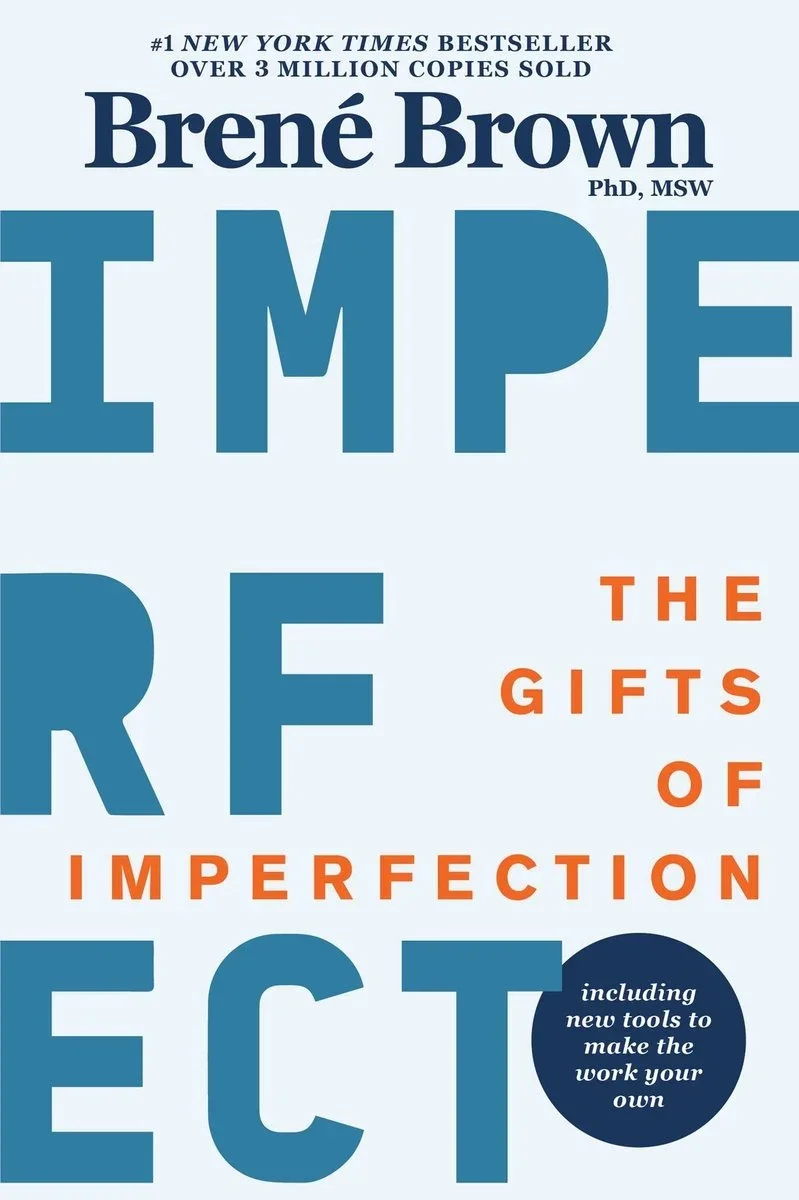
Recommended Reading