Constellations Discussion
Today, we’ll explore:
Brief Review of last few weeks
How to find affirming spaces
Social risks despite rejection sensitivity
This is a supportive, judgment-free space.
Please stay muted when not speaking.
Ask questions in the chat or with the “raised hand” tool anytime.

Presented by Kate Harrington
Founder of Harrington Matchmaking & Constellations program
Based in the Washington, D.C. metro area
Known for working with neurodivergent adults
Contact Information
kate@harringtonmatchmaking.com
harringtonmatchmaking.com
@katewhdc
Brief Review of Previous Weeks
What is Rejection Sensitivity?
Strong emotional response to criticism, exclusion, or perceived disapproval
Common among neurodivergent individuals
Often linked to experiences of:
Bullying or social exclusion
Misunderstanding by peers
Chronic masking and camouflaging
Feeling "different" from others
The desire for connection often exists alongside a fear of being rejected.
The Impact on Social Connection
How Rejection Sensitivity Affects Relationships
Hesitation to initiate conversations
Avoidance of social events
Difficulty trusting new people
Overanalyzing social interactions
Withdrawing after perceived social mistakes
Result: Increased isolation despite wanting friendship and community.

Reframing the Goal
Connection Without Eliminating Fear
We don't have to eliminate rejection sensitivity before building relationships.
Instead:
Start with manageable social experiences
Focus on shared interests
Seek predictable, inclusive environments
Practice authenticity over masking
Connection grows through repeated positive experiences.

Discussion Break
Have you ever avoided a social opportunity because you were worried about being rejected, misunderstood, or judged? What might have made that situation feel safer or more manageable?
Why Shared-Interest Communities Work
Interest-Based Communities Reduce Social Pressure
Benefits include:
Built-in conversation topics
Clear purpose and structure
Opportunities for repeated interactions
Less focus on small talk
Greater chance of meeting like-minded people
Examples:
Gaming groups
Book clubs
Crafting communities
Hiking groups
Technology and maker groups
Finding Affirming Communities
Eventbrite and Meetup can be excellent tools for finding social opportunities that align with your interests, values, and comfort level.
Search for:
Neurodiversity-focused events
ADHD or autistic adult groups
Sensory-friendly gatherings
Hobby and special-interest groups
Educational workshops and classes
Social clubs and community events
Professional networking opportunities
Why these platforms work:
Low-pressure opportunities to participate
Virtual and in-person options
Built-in conversation topics through shared interests
Opportunities to meet people who are actively looking for connection
Recurring events that allow relationships to develop gradually over time
Flexibility to attend once, observe, or engage at your own pace
A helpful tip: You may still need to self-advocate.
Don't be afraid to contact the event organizer before attending.
You can ask questions about the typical age range, demographics, group size, social atmosphere, accessibility, and sensory environment. Many organizers are happy to provide information that helps attendees feel more comfortable and prepared. If they aren’t, that’s helpful information too.
Gathering information beforehand can reduce anxiety and help you determine whether a group feels like a good fit.
Remember: You do not have to commit to a community after one event. Safe connections are built by gathering information, noticing patterns over time, and finding spaces where you can show up as yourself.

Other Neurodiversity-Affirming Spaces
Additional Community Options
Our Constellations program is a prime example.
Discord communities
Facebook groups
Local libraries
Community centers
Continuing education classes
Volunteer organizations
Neurodiversity advocacy groups
Professional organizations for neurodivergent adults
Both online and in-person spaces can provide meaningful connection.
Signs of an Inclusive Environment
Look for communities that:
Welcome different communication styles
Provide clear expectations
Respect sensory needs
Encourage authenticity
Value diversity of thought and experience
Create opportunities for gradual participation
Belonging should not require masking.
Private Reflection
What signs help me know that a person or community is actually safe and trustworthy?
Refresher: Identifying Safe Connections
Committing to take more social risks is going to put you in contact with more people.
People who are often safe exhibit these “Green Flags:”
Respect boundaries
Follow through
Apologize when needed
Listen well
Show interest in others
Treat people with kindness
Accept "no"
Look for patterns, not perfection.
Pay attention when someone repeatedly shows these “Red Flags:”
Ignores boundaries
Pressures you
Makes everything about themselves
Moves unusually fast
Makes you feel guilty
Creates frequent drama
Says one thing and does another
Sometimes fear of losing a connection can make these behaviors harder to notice. We make excuses for them because we don’t want to lose them. Are they worth keeping in our life?
Safe Connections Feel Different
Safe friendships and relationships do not require us to constantly prove ourselves.
Instead, they often feel:
Predictable
Respectful
Comfortable
Accepting
Consistent
Not perfect.
But generally safe.
This week’s final thought:
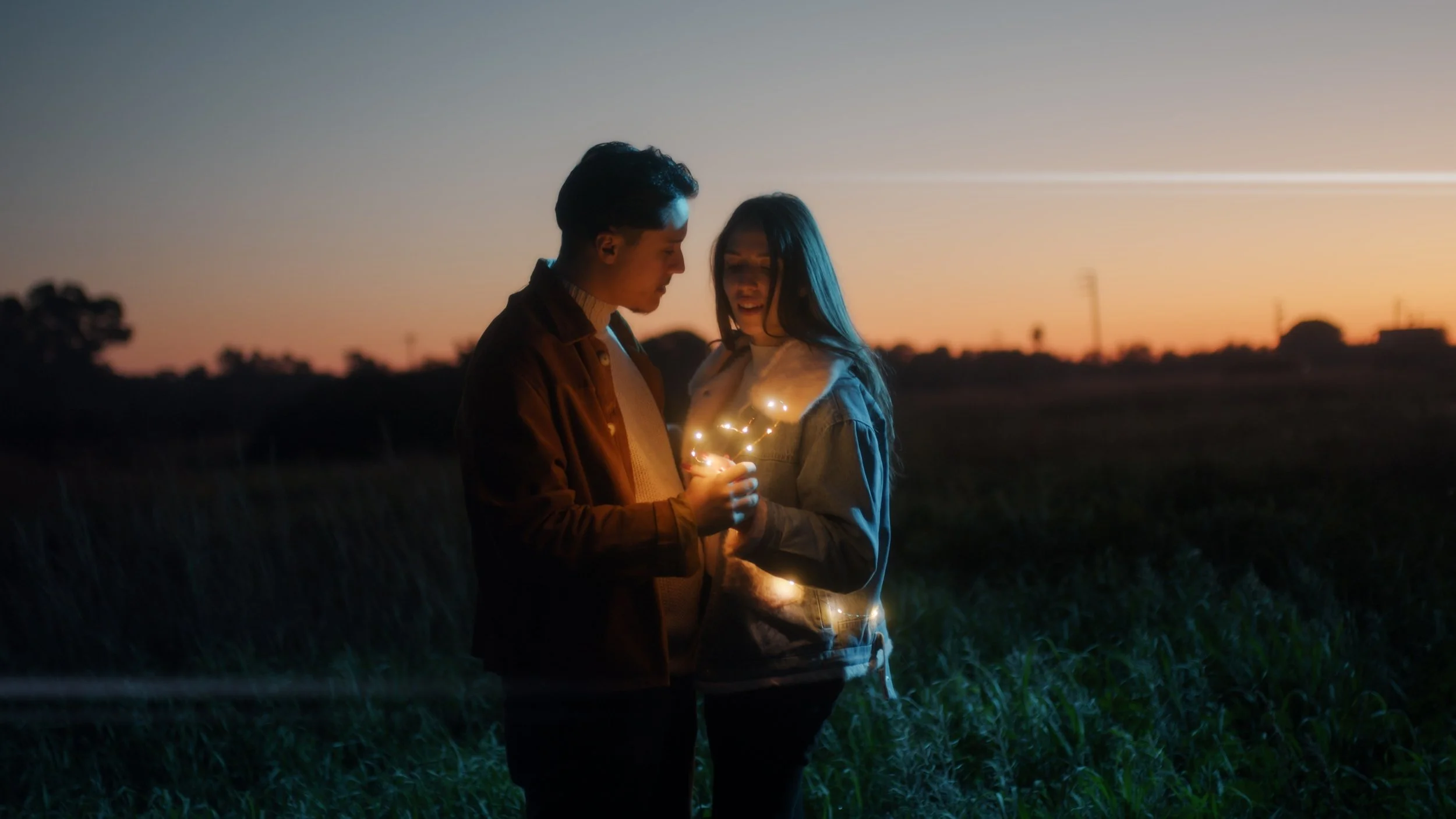
Rejection sensitivity can make social connection challenging, but it does not have to prevent belonging.
When neurodivergent adults find spaces that are:
Interest-based
Inclusive
Predictable
Neurodiversity-affirming
… they are more likely to develop authentic relationships, increase confidence, and experience a stronger sense of community.
The goal is not to fit in — it is to find spaces where you feel a sense of authentic belonging.
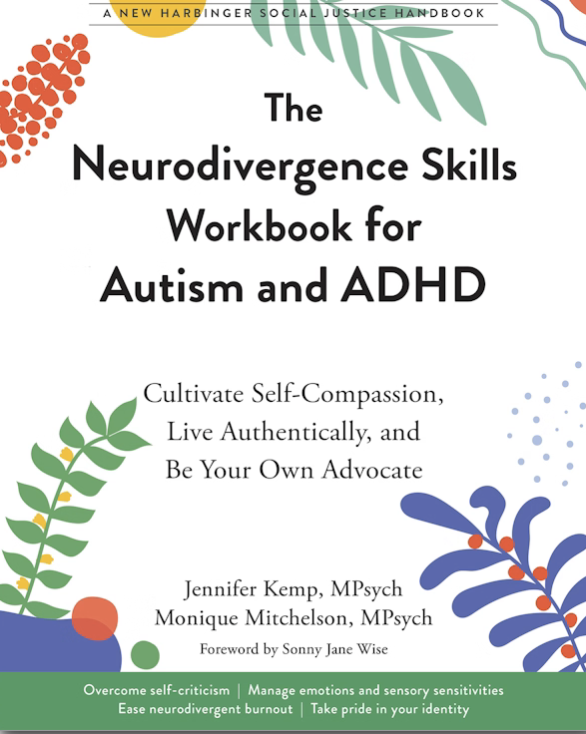
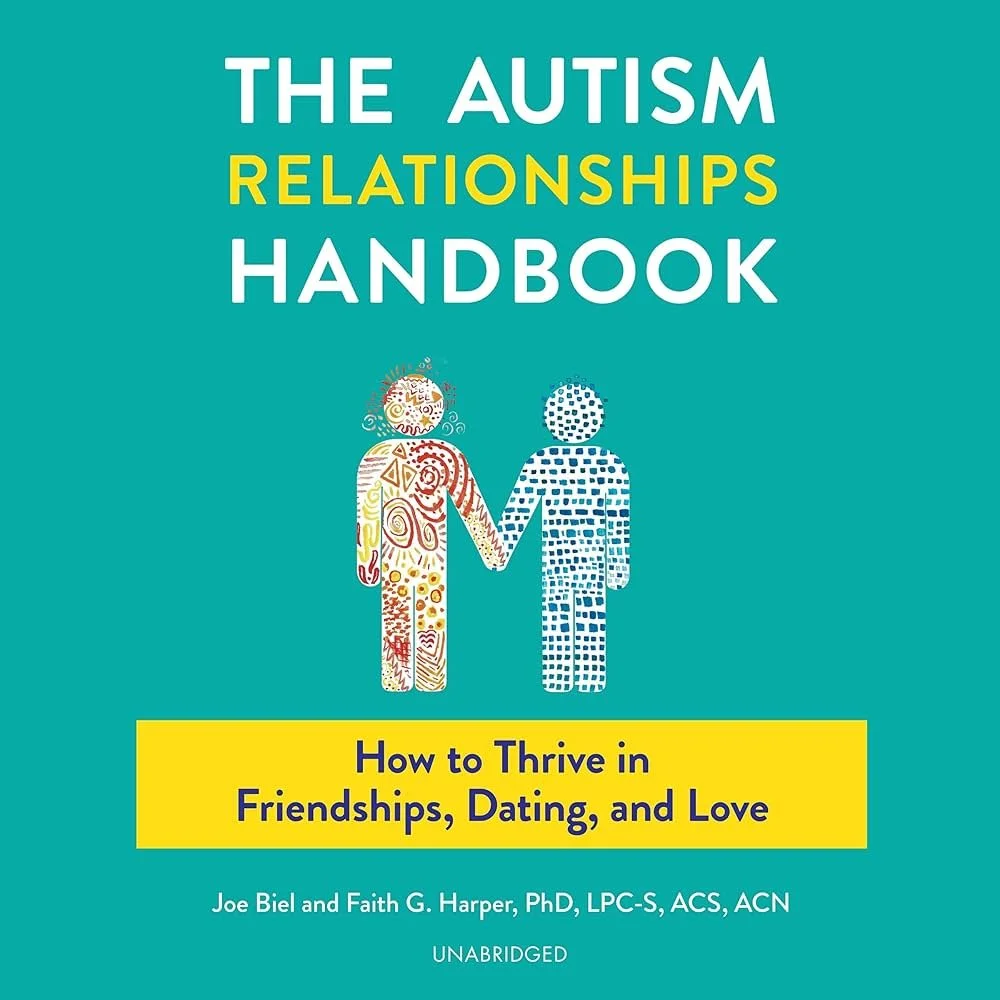
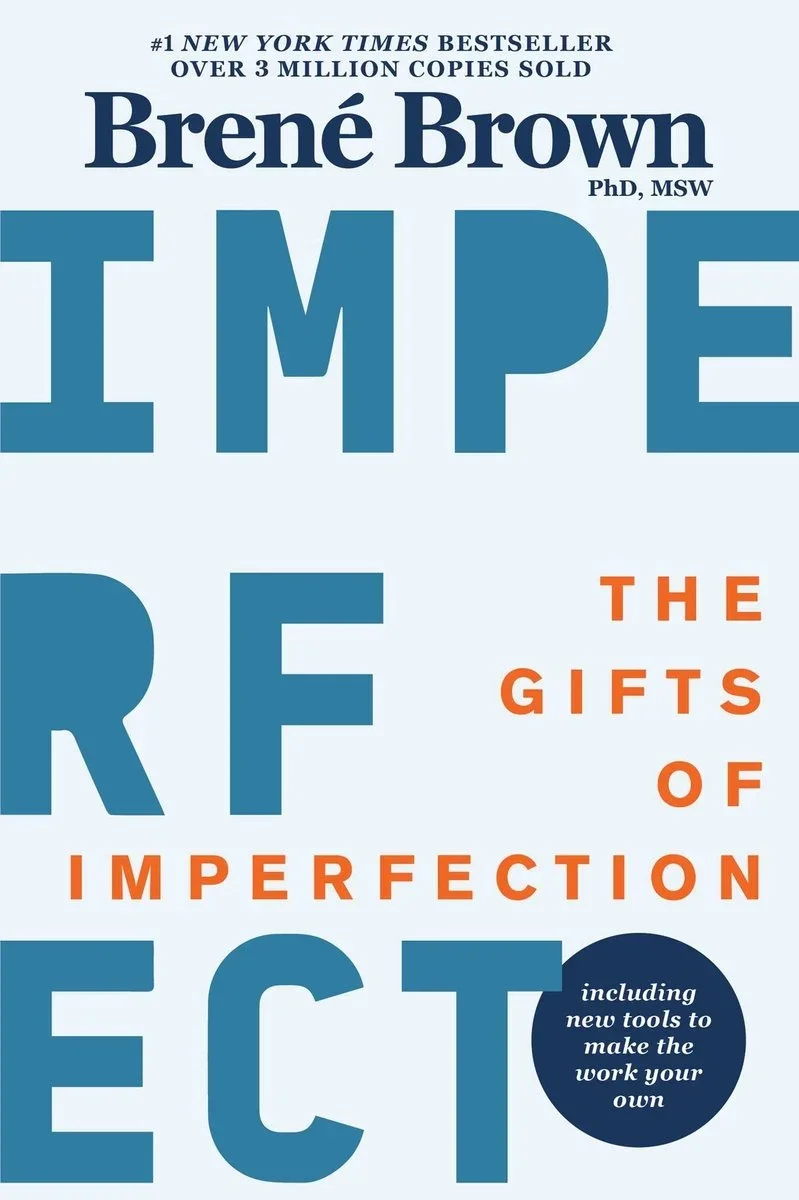
Recommended Reading