Constellations Discussion
Today, we’ll explore:
How rejection sensitivity affects the way we view others
What makes a connection “safe”
Words vs. Actions tools
Tonight, we're going to focus on:
How rejection sensitivity affects the way we think about other people.
This is a supportive, judgment-free space.
Please stay muted when not speaking.
Ask questions in the chat or with the “raised hand” tool anytime.

Presented by Kate Harrington
Founder of Harrington Matchmaking & Constellations program
Based in the Washington, D.C. metro area
Known for working with neurodivergent adults
Contact Information
kate@harringtonmatchmaking.com
harringtonmatchmaking.com
@katewhdc
Brief Review of Last Week
Last week, we explored how rejection sensitivity and self-criticism are often connected.
We discussed the difference between accountability ("I made a mistake") and self-attack ("I am a mistake"), and why being hard on ourselves rarely helps us learn or grow. It simply promotes shame.
We also talked about practical ways to respond more compassionately when we experience rejection, make mistakes, or feel different — including first noticing our inner critic, looking for evidence (“facts”) instead of assumptions (“the story I’m telling myself”), avoiding reflexively resorting to mind-reading or assumptions, and speaking to ourselves the way we would speak to a friend.
Tonight, we'll build on those ideas by exploring how rejection sensitivity can affect the way we interpret other people's actions and decide whether someone feels safe to trust.

Rejection Sensitivity Wants Certainty
Many of us want answers quickly, especially in a social context.
Questions like:
Do they like me?
Are we friends?
Should I trust them?
Do they secretly dislike me?
Unfortunately, friendships and relationships rarely provide immediate certainty.
Most healthy connections take time to develop, as we discussed last week.
We learned that a sense of certainty or safety is built through data.
Trust is not built from one interaction.
Trust is built from many interactions.
One conversation tells us very little.
One text message tells us very little.
One meetup tells us very little.
Patterns tell us much more. Patterns are what we need to establish for safety.
Discussion Break
How long do you think it takes to get to really know someone?
A Common Trap
Rejection sensitivity can sometimes cause us to:
Trust too quickly
Distrust too quickly
Become attached too quickly
Pull away too quickly
Rejection sensitivity can pull us toward opposite extremes.
Sometimes we trust, attach, or invest too quickly because we're excited to feel accepted and connected.
Other times we distrust, assume rejection, or pull away too quickly because we're afraid of being hurt.
In both cases, we may make decisions before we have enough information.
Safe connections are built by slowing down, collecting data points, and looking for patterns over time.
What Makes Someone Safe?
A safe person is not someone who is perfect.
A safe person is someone whose behavior consistently helps us feel:
Respected
Accepted
Valued
Safety is discovered over time.

Words Matter. Actions Matter More.
Most people tell us who they are.
You may see this on dating app profiles especially.
Examples:
"I am honest."
"I am loyal."
"I care about others."
Those statements may be true.
But trust grows when actions consistently match words.

Discussion Break
Can you think of a time when someone's actions contradicted their words?
Words vs. Actions Example
Last week, one of our Constellations members, “Max” attended our spring party.
Max had a conversation with Amy that seemed to go really well.
At the end, he told Amy: "I like talking to you."
Amy said, "Yeah. We should hang out sometime" before walking away to her next conversation.
That response felt encouraging. It created hope.
Max left thinking he had a possible new connection.
He submitted a Connection Request through the Constellations team that night. Max was delighted to hear that Amy said yes to connecting. The Constellations team put both of them in touch and Max texted her right away.
Amy responded: "Hi! Yes. It was nice to meet you!"
Max texted asking about her week. She didn't respond.
A few days later, he asked about hanging out that weekend.
Amy replied: "Hi Max! Maybe. I’ll have to see when I’m free."
The weekend came and went. No plans were made. No follow-up was offered. No alternative date was suggested.
Over the next few weeks, Amy rarely responded and never took initiative to continue the conversation.
At first, Max focused on Amy's words: "We should hang out sometime."
But over time, Amy's actions told a different story.
While Amy may have enjoyed meeting Max, her behavior suggested she was not particularly interested in building a friendship beyond that initial interaction.
This doesn't necessarily mean Amy was being mean, dishonest, or intentionally misleading. Many people say things like "I’ll see you around" as a friendly way to end a conversation, without a genuine intention to make plans.
The lesson isn't that Amy is a bad person.
The lesson is that words alone don't tell us very much.
If we want to know whether someone is interested in friendship, we need to pay attention to their actions.
Did they respond?
Did they follow up?
Did they make time?
Did they show effort?
Trust and connection are built through actions repeated over time — not an encouraging sentence.
Private Reflection
Words are a starting point. Actions give us information.
Think back to a time when you relied too heavily on someone’s words rather than actions.
When Boundaries Feel Like Rejection
Imagine you text a friend: "Do you want to hang out this weekend?"
They respond: "No, thanks. I need some alone time this weekend."
What is the first thought that pops into your head?
For many people with rejection sensitivity, it might be:
"They don't want to see me."
"They're upset with me."
"I did something wrong."
"They're pulling away."
But what if their boundary isn't actually about you? What story are you telling yourself? Is that story causing pain?
What if they're:
Exhausted from work
Recovering from social burnout
Managing stress
Spending time with family
Taking care of their mental health
Boundaries are Information
A boundary tells us something about another person's needs.
It does not automatically tell us how they feel about us.
Examples:
"I can't talk right now."
"I'm busy tonight."
"I need some alone time."
"I'm not comfortable with that."
Healthy people have boundaries. They know their limits.
They don’t say “yes” when they really want to say “no.”
Clarity is Kindness. Being clear is helpful.
Healthy friendships and relationships require boundaries.
The Question Isn't: "Did they set a boundary this time?"
The question is: "How do they treat me over time?"
Do they:
Respond later?
Follow up?
Continue showing interest?
Make effort when they're able?
Remember:
A boundary is a data point.
Not a verdict. Be careful what story you’re telling yourself about the boundary when you’re feeling sensitive to rejection.
Why is Healthy Pacing so Hard?
Many people who experience rejection sensitivity have spent years feeling lonely, misunderstood, or disconnected.
When a connection finally feels promising, it can feel rare and precious.
The brain says: "Don't lose this" or "Act now" or "Get closer quickly."
The Problem
Connection and trust are not the same thing.
You can feel connected after one conversation.
Trust takes much longer.
Trust is built through:
Time
Consistency
Shared experiences
Repeated positive interactions
A Helpful Reminder
Just because someone feels special doesn't mean you need to rush.
You don't have to decide:
Whether they're your best friend
Whether they're your future partner
Whether they're "your person"
After one good conversation.
Pacing Protects Us
Pacing gives us time to ask:
Do their actions match their words?
Do they follow through?
Do they respect boundaries?
Do they make effort too?
Pacing helps us collect data before becoming deeply invested.

Discussion Break
Have you ever gotten too excited about a new friendship or relationship and invested too soon?
What happened?
Identifying Safe Connections
People who are often safe exhibit these “Green Flags:”
Respect boundaries
Follow through
Apologize when needed
Listen well
Show interest in others
Treat people with kindness
Accept "no"
Look for patterns, not perfection.
Pay attention when someone repeatedly shows these “Red Flags:”
Ignores boundaries
Pressures you
Makes everything about themselves
Moves unusually fast
Makes you feel guilty
Creates frequent drama
Says one thing and does another
Sometimes fear of losing a connection can make these behaviors harder to notice. We make excuses for them because we don’t want to lose them. Are they worth keeping in our life?
Safe Connections Feel Different
Safe friendships and relationships do not require us to constantly prove ourselves.
Instead, they often feel:
Predictable
Respectful
Comfortable
Accepting
Consistent
Not perfect.
But generally safe.

This week’s final thought:
Rejection sensitivity often pushes us toward certainty, which we are unlikely to get.
Safety requires observation.
You do not need to decide immediately whether someone is trustworthy.
You can, slow down enough to gather information, notice their patterns (do their actions match their words?) and let trust develop over time.
The healthiest friendships, relationships, and community connections are usually built one interaction at a time. They are not rushed, or pressured.
Next Monday
We'll discuss:
embracing your strengths
communicating what you need in a relationship, not just responding to others’ needs
respecting your social battery and how to find like-minded people
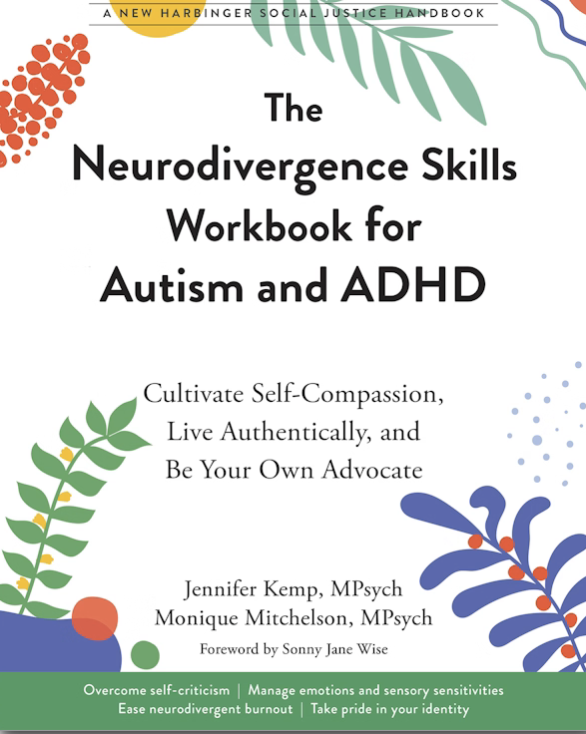
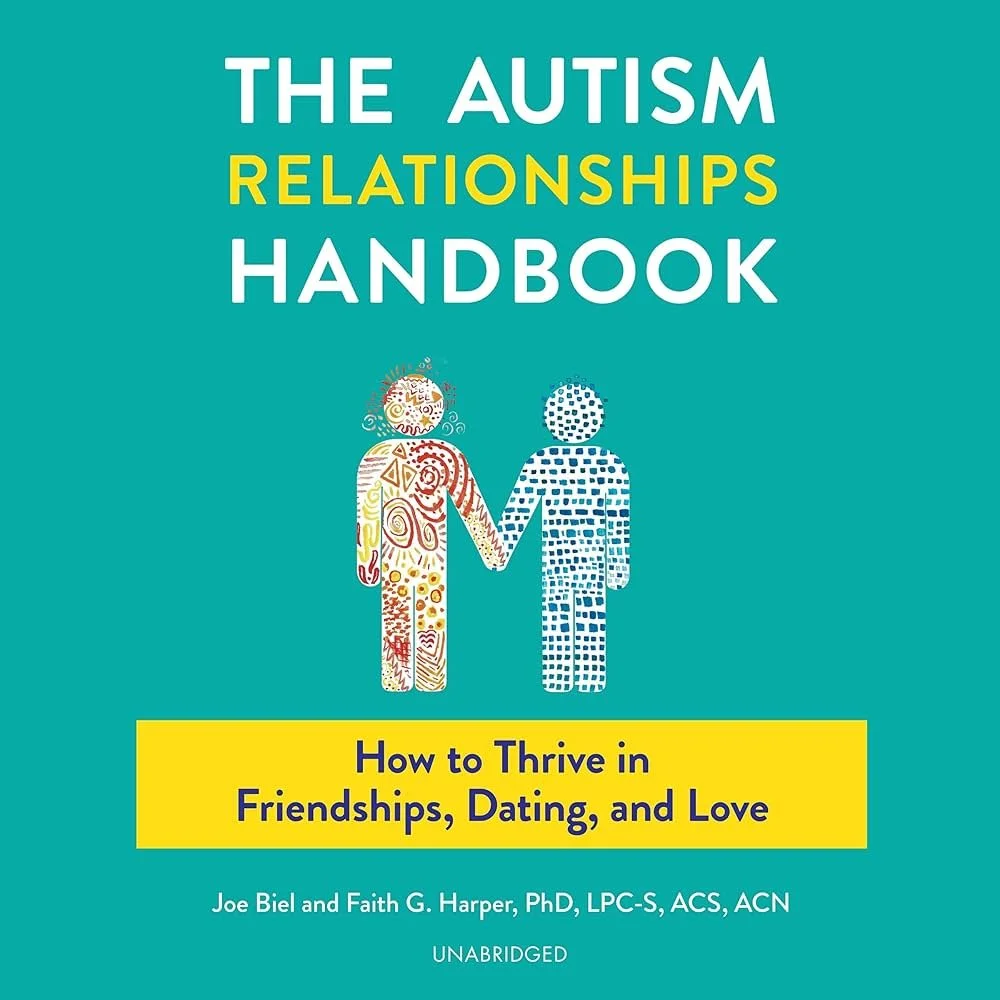
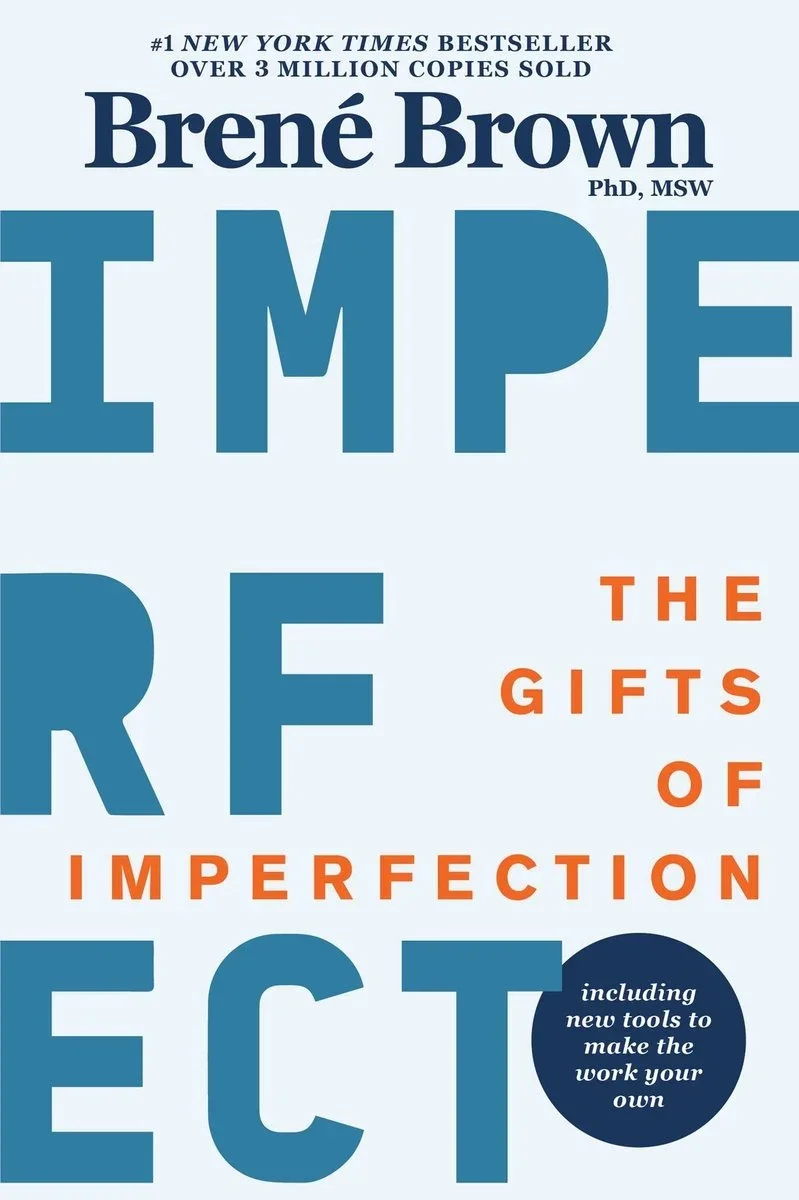
Recommended Reading